Winter Storm Aftermath: 4 Unexpected Dangers Many Homeowners Overlook
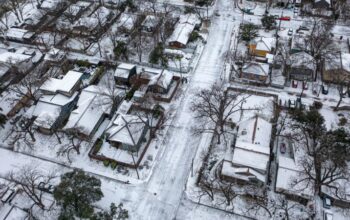
In the frigid wake of Winter Storm Fern, which recently impacted 118 million Americans across the South and Northeast, many homeowners are starting to rethink their weather emergency plans. Now is an ideal time to evaluate your home for potential safety hazards, restock supplies, and create a proactive strategy before the next winter storm hits. As you plan, be on guard for these extreme weather dangers, which are all-too-easy to overlook.
Water Damage and Mold Growth
Any part of a home can experience water damage after a winter storm. As snow and ice begin to melt, water can leak into your home through the roof or foundation. From there, it won’t take long for wood, drywall, or other organic materials to absorb this water.
Over time, that moisture can spawn mold growth, which not only increases the risk of allergies and respiratory issues, but could also affect your home’s structural integrity. Mold is one of the most common causes of warping floors, rotting joists, peeling walls, crumbling insulation, and a collapsing roof or foundation. To avoid this costly damage, keep an eye out for water exposure before it can seep into your home and turn into mold.
As soon as the weather clears, check the attic, basement, vents, and crawl spaces for leaks. Then, schedule an inspection of both the roof and foundation with a reliable contractor. Repair any damage as soon as possible—the more you ignore it, the worse it’ll be.
Power Outages and Blackouts
Heavy snowfall and intense winds can affect power lines in your neighborhood, so it’s essential to plan ahead for blackouts. Sometimes an energy provider can restore power in a few hours. But if the storm causes a widespread outage across many square miles, it could take days (or in extreme cases, weeks) before electricity is restored.
One of the best ways to handle a power outage is to install a whole-house generator. Make sure this generator can produce enough continual, reliable energy to power the light fixtures, HVAC system, refrigerator, and any medical equipment for several days at a time. You also might not be able to leave home during a blackout, so have these items on-hand:
- Fresh batteries
- Flashlights
- Thermal blankets
- Nonperishable food
- First aid supplies
- Bottled water
Hazardous Fumes and Gases
When evaluating post-blizzard fire risks, don’t neglect your furnace or boiler. The rapid loss of pressure or other heating issues can cause the whole system to malfunction. These pressure changes could loosen the fuel line, leading to a natural gas leak. If you notice a sulphuric or rotten odor, it’s time to schedule an inspection and tackle necessary repairs.
Restricted airflow can also cause the heat exchanger to overheat and crack, allowing carbon monoxide to seep into your home. Since this harmful gas is both odorless and colorless, you can suffer from exposure without even realizing it.
Once the storm passes, check your furnace or boiler for damage. Even if you don’t notice a gas leak immediately, continue monitoring the equipment over the next weeks and months. Test your carbon monoxide detector regularly as well to avoid serious health risks.
House Fires and Electrical Shocks
Following common fire safety tips can also protect your home from electrical fires during or after a winter storm. Since most households use more energy in the cold weather months, it’s vital to take precautions when using electrical equipment.
Make sure your generator has an inspection and tune-up before winter arrives, so it’s safe to operate in a power outage. Never use extension cords to run a generator or space heater, and consider installing whole-house surge protection to avoid electric shocks.
Pay attention to sparking outlets, warm walls, or scorched light switch covers, as these signs can indicate a short circuit in the wires. Ensure your fire extinguishers can handle electrical fires, and if you smell burning near an outlet, call an electrician immediately.
Get Proactive and Stay Safe During the Next Winter Storm
Winter storms can be overwhelming—especially for folks who live in regions that aren’t used to harsh, freezing conditions. But with these proactive measures, you can safeguard both your home and loved ones if a weather emergency strikes. Taking action ahead of time can offer more peace of mind when the actual storm blows in.…


